
Views: 0 Author: Site Editor Publish Time: 2025-10-20 Origin: Site
Fire safety is an essential consideration for every home, office, laboratory, or industrial facility. Among the many fire safety tools available, fire blankets, also known as fire fighting blankets or emergency fire blankets, are simple yet highly effective devices for controlling small fires and providing personal protection. Unlike fire extinguishers, fire blankets work by smothering flames and cutting off oxygen, offering a chemical-free solution suitable for a variety of fire emergencies.
Choosing the right fire blanket is crucial for maximizing safety and effectiveness. In this comprehensive guide, we’ll cover everything you need to know—from materials and sizes to standards, deployment techniques, maintenance, and practical tips—so you can make an informed choice.
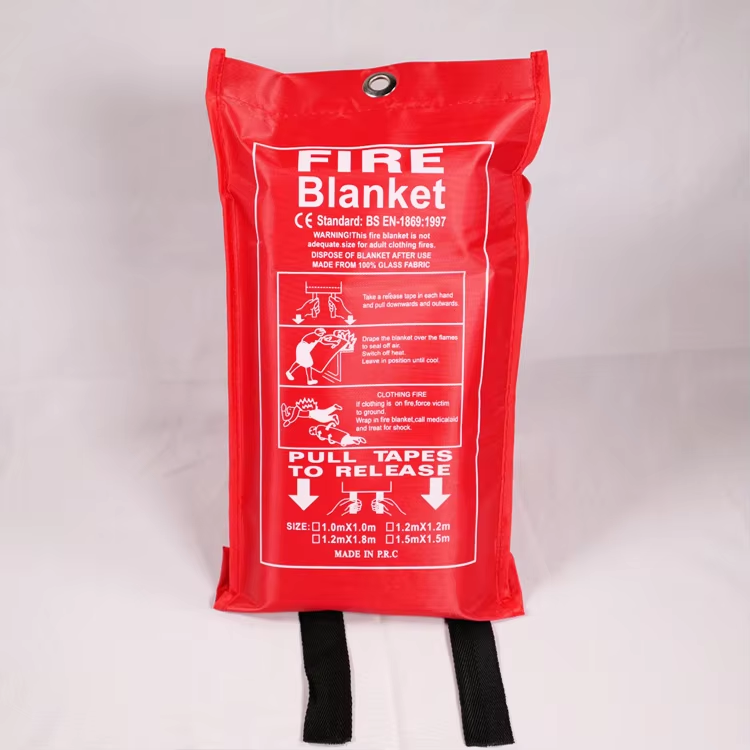
A fire blanket works by smothering flames, cutting off the fire’s oxygen supply. This prevents the fire from spreading and can help protect both people and property. Emergency fire blankets are particularly useful in situations where someone’s clothing catches fire, providing a life-saving shield until emergency help arrives.
Compared to fire extinguishers, fire blankets are easier to use, require less training, and create no harmful residue, making them ideal for home kitchens, cars, offices, workshops, and industrial environments.
The material of a fire fighting blanket is one of the most important factors in its effectiveness. The following materials are commonly used:
Fiberglass: A lightweight and highly heat-resistant material, capable of withstanding temperatures up to 1,000°F (538°C). Ideal for general use at home, in offices, and in workshops. Fiberglass blankets are durable but may release small fibers that can irritate skin or lungs if handled without gloves.
Silicone-Coated Fiberglass: This type of blanket combines a fiberglass core with a silicone coating, offering superior heat resistance (up to 1,200°F / 650°C), water and chemical resistance, and safer handling. Perfect for kitchens, schools, and sensitive industrial areas.
Wool: Naturally flame-resistant, wool fire blankets are effective for smothering grease fires and small liquid fires. Wool blankets are flexible, lightweight, and environmentally friendly.
Choosing the right size ensures adequate coverage in an emergency. Fire blankets are available in a variety of sizes:
Regular / Standard Size: Compact and portable, perfect for kitchens, cars, or small workspaces. These are often sold as emergency fire blankets for households.
Large Size: Ideal for offices, workshops, laboratories, or for covering multiple people. Large fire fighting blankets offer more flexibility in emergency situations.
Extra-Large Size: Suitable for industrial environments, factories, or areas with larger equipment. These blankets provide maximum coverage and rapid deployment during significant fire hazards.

Choosing the right fire blanket, fire fighting blanket, or emergency fire blanket is essential for ensuring effective fire protection and personal safety. The right blanket not only depends on material or size but also on your environment, the type of fire risk, and ease of deployment. Below, we dive deeper into the key factors you should consider.
Understanding where and how the blanket will be used is the first step in selecting the most suitable fire blanket. Different environments present different fire risks:
Home: Most home fires start in the kitchen or around electrical appliances. A standard emergency fire blanket is ideal for small grease fires, stove fires, or appliance malfunctions. Keep one in the kitchen and another in the garage or near your car for maximum safety.
Workplace: Offices, laboratories, or workshops often have moderate fire risks due to electrical equipment, flammable materials, or minor chemical spills. Larger fire fighting blankets or multiple blankets strategically placed around the workspace can help control fires quickly before they spread.
Industrial: Factories, chemical plants, and manufacturing facilities face higher fire hazards, including electrical, chemical, or high-temperature fires. In these settings, silicone-coated fire blankets or Kevlar fire blankets are recommended due to their superior heat resistance, durability, and chemical protection. Using the wrong type of blanket in industrial settings can reduce effectiveness and compromise safety.
Pro Tip: Conduct a fire risk assessment of your environment to determine where blankets are most needed and which type suits each risk level.
The material of a fire blanket determines how effectively it can smother flames and withstand heat:
Fiberglass fire blankets: Durable, lightweight, and affordable, suitable for general-purpose fire protection in homes and workshops. They can handle moderate temperatures but may release small glass fibers, which can irritate skin or lungs.
Silicone-coated fire blankets: Offer advanced heat resistance (up to 1,200°F / 650°C), chemical resistance, and safer handling, making them ideal for kitchens, schools, and industrial areas. The silicone layer reduces irritation and increases flexibility.
Wool fire blankets: Naturally flame-resistant and flexible, wool blankets are effective for small liquid fires or grease fires. They’re lightweight and environmentally friendly, making them suitable for households or eco-conscious workplaces.
Kevlar fire blankets: Extremely strong and heat-resistant, Kevlar blankets are commonly used in industrial or high-risk environments, including laboratories, foundries, and chemical plants.
Pro Tip: Match the material to the type of fire risk and potential temperature exposure. For example, a kitchen might benefit from a silicone-coated fire fighting blanket, while a home garage may only need a standard fiberglass emergency fire blanket.
The size of your fire blanket is critical for effectiveness:
Regular/Standard Size: Typically 1m x 1m to 1.2m x 1.2m. Ideal for covering small fires in kitchens, cars, or personal protection when clothing catches fire.
Large Size: Approximately 1.8m x 1.8m, suitable for offices, labs, or covering multiple individuals in an emergency.
Extra-Large Size: Over 2m x 2m, designed for industrial or factory use, providing maximum coverage for equipment or large fire hazards.
Pro Tip: Always choose a blanket slightly larger than the expected fire source. An undersized blanket may leave parts of the fire exposed, reducing effectiveness.
During a fire emergency, every second counts. The ease of use of a fire blanket can make the difference between controlling a fire or it spreading:
Look for blankets with handles, straps, or tabs for fast, intuitive deployment.
Wall-mounted emergency fire blankets improve visibility and accessibility. Place them near potential fire sources like stoves, electrical panels, or chemical storage areas.
Ensure that everyone in the household or workplace knows how to deploy the blanket properly. Quick practice drills can help prevent panic during real emergencies.
Pro Tip: Fire blankets that are lightweight and easy to fold or unfold are more likely to be used correctly in high-stress situations.
Using a certified fire blanket ensures reliability and safety:
BS EN 1869:2019 (Europe): Evaluates performance in extinguishing small fires and protecting people, including wrap-around scenarios.
ASTM F1989-05 (USA): Covers size, fire resistance, durability, flexibility, and safety criteria.
Pro Tip: Always check for certifications or safety marks on the packaging. Blankets without standards may not perform as expected in critical situations.
Different fires require different approaches:
Class A: Ordinary combustibles such as wood, paper, or textiles.
Class B: Flammable liquids such as oils, paints, or alcohol.
Class K: Cooking oils and fats, commonly found in kitchens.
Pro Tip: For maximum versatility, choose a blanket that is compatible with multiple fire types. A high-quality fire fighting blanket can be your first line of defense for both kitchen and electrical fires.
Where and how you store your emergency fire blanket impacts its effectiveness:
Mount blankets on walls near high-risk areas (kitchens, workshops, labs).
Ensure visibility—colorful pouches or labeling can help locate blankets quickly.
Avoid storing blankets in areas exposed to high heat, moisture, or direct sunlight, as this can degrade the material.
Pro Tip: Consider multiple storage locations for larger spaces. Quick access can save valuable seconds in an emergency.
The number of blankets should match the size of the area and fire risk:
Homes: 1–2 blankets for key areas such as the kitchen, garage, or car.
Workplaces or laboratories: Multiple blankets may be required for different rooms, equipment areas, or high-risk zones.
Industrial facilities: Strategically placed fire fighting blankets throughout the workspace ensure comprehensive coverage.
Pro Tip: Buying bulk emergency fire blankets or multipacks can save costs and ensure sufficient coverage across all high-risk areas.
Even the best fire blanket is ineffective if people don’t know how to use it:
Conduct regular training and fire drills for staff or family members.
Demonstrate proper deployment techniques, including covering fires safely and wrapping someone whose clothing is on fire.
Encourage everyone to familiarize themselves with different types and sizes of fire blankets in your environment.
Pro Tip: Create a simple fire safety guide or poster near each blanket, showing how to use it quickly and safely.
Consider material, size, deployment ease, fire type compatibility, and compliance with safety standards.
Small for kitchens and cars; large or extra-large for offices, workshops, or industrial spaces.
Yes. They reduce fiber irritation, increase heat tolerance, and add water and chemical resistance.
Assess your environment. Homes: 1–2; workplaces or industrial areas: multiple blankets for full coverage.
Selecting the right fire blanket, fire fighting blanket, or emergency fire blanket is a crucial step in protecting lives and property. By considering factors such as material, size, deployment ease, fire type compatibility, and compliance with recognized safety standards, you can ensure your fire safety measures are both effective and reliable.
Remember, proper storage, accessibility, and regular training are just as important as the blanket itself. Having the right fire blanket in the right place, ready for quick deployment, can make all the difference during a fire emergency.
For those seeking high-quality, reliable fire safety solutions, Nanjing Jiayi Fire Technology Co., Ltd. offers a wide range of certified fire blankets designed for homes, workplaces, and industrial environments. With durable materials, various sizes, and compliance with international safety standards, Jiayi Fire Technology ensures you have the protection you need when it matters most.
Welcome to become one of our distributors worldwide. If you have interest please contact us.


