
Views: 0 Author: Site Editor Publish Time: 2025-10-20 Origin: Site
Fire safety remains a critical concern in 2025, with household, automotive, and workplace fires causing significant property damage and injuries worldwide. Among modern fire suppression tools, the fire blanket—particularly the fiberglass fire resistant blanket—has gained attention as a fast, reliable, and low-maintenance solution. But how effective are fire blankets in real-world scenarios in 2025? This article provides an in-depth review, analyzing their performance, testing standards, and practical utility.
A fire blanket is a compact sheet made from heat-resistant materials, designed to smother flames by cutting off the fire’s oxygen supply. Unlike chemical-based extinguishers, fire blankets operate on a simple physical principle:
Oxygen Deprivation: Covers the fire to starve flames of air.
Heat Insulation: Fiberglass layers prevent heat transfer to the user.
Flame Containment: Prevents fire from spreading to nearby surfaces.
Modern fiberglass fire resistant blankets can withstand temperatures up to 1,072°F (580°C), making them effective against kitchen grease fires, small electrical fires, and clothing fires.
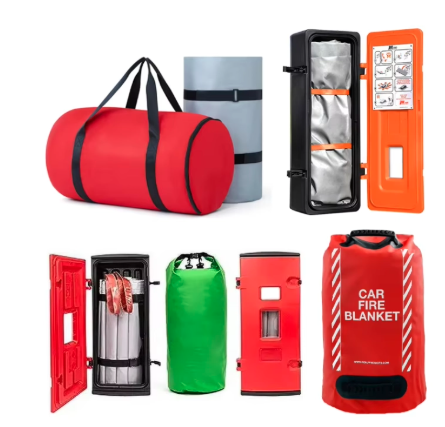
The effectiveness of fiberglass fire resistant blankets is rigorously tested in laboratory conditions, following international fire safety standards to ensure reliability in real emergencies. Key standards include:
EN 1869:1997: This European standard evaluates fire blankets based on heat resistance, flame smothering capability, durability, and material integrity after repeated exposure to high temperatures.
ISO and ASTM Protocols: These global standards test performance under varying fire sources, including grease, electrical sparks, and flammable fabrics. Metrics include time to extinguish, residual heat insulation, and structural integrity.
Simulated Test Scenarios:
Stove-Top Grease Fires: Fires in pans containing hot oil are created to mimic real kitchen emergencies. Researchers measure the time it takes for the blanket to fully smother flames and whether any flare-ups occur.
Electrical Appliance Ignition: Small appliances, such as toasters or space heaters, are intentionally ignited to test the blanket’s ability to contain sparks and prevent electrocution hazards.
Fabric or Paper Fires: Simulates household accidents, like burning curtains, papers, or upholstery, to assess the blanket’s versatility and protective performance.
Performance Metrics:
Extinguishing Time: High-quality fiberglass fire resistant blankets extinguish small fires under 1 m² in 10–15 seconds.
Heat Shielding: Temperature sensors show that the outer surface of the blanket remains below dangerous burn thresholds, even during prolonged exposure.
Material Durability: Multi-layered fiberglass retains strength and resists tearing, ensuring it can be reused for minor incidents.
Laboratory data consistently show that fiberglass fire resistant blankets outperform single-layer or cotton alternatives, particularly in grease and electrical fire scenarios, where improper suppression can worsen the situation.
Laboratory results are reinforced by real-world testing and user feedback. In 2025, studies and consumer reports demonstrate that fire blankets are highly effective tools for immediate fire suppression:
Rapid Response: Correctly deployed fire blankets cover flames instantly, stopping small fires in under 15 seconds—often faster than reaching and aiming a fire extinguisher.
Versatility Across Fire Types: From hot oil splatters in kitchens to minor electrical sparks in garages or workshops, fiberglass fire resistant blankets handle diverse fire risks safely.
User Safety: Unlike chemical extinguishers, there is no risk of inhaling harmful chemicals or suffering splash injuries, making fire blankets suitable for children, elderly individuals, and inexperienced users.
Portability Advantage: Compact blankets are easy to store in kitchens, cars, RVs, or even backpacks, allowing immediate intervention wherever fires occur.
Several key variables determine how effectively a fire blanket performs during emergencies. Understanding these factors is critical for maximizing safety and ensuring that the blanket fulfills its intended protective function.
The composition and quality of the blanket material are fundamental to its performance. Premium fiberglass fire resistant blankets consistently outperform alternatives made from polyester, cotton, or other fabrics. Fiberglass inherently offers high heat resistance, maintaining structural integrity even when exposed to extreme temperatures. Multi-layered construction further enhances this protection, creating a barrier that insulates users from burns while preventing the blanket from tearing or degrading during deployment. In 2025 testing, high-grade fiberglass blankets demonstrated superior longevity and reliability, often surviving multiple minor fire incidents without significant wear. In contrast, lower-quality materials may fail under intense heat, reducing the blanket’s effectiveness and potentially putting users at risk.
Even the highest-quality fire blanket will be less effective if not deployed correctly. Proper usage requires full coverage of the fire to ensure that flames are completely smothered. Partial coverage can allow oxygen to reach the fire, enabling it to flare up and spread. Modern fiberglass fire resistant blankets are designed with user-friendly features such as quick-release pouches and clearly marked handling tabs. These enhancements reduce response time and simplify deployment, especially in high-stress situations where every second counts. Clear instructions and intuitive design help users act decisively, making a significant difference in real-world fire suppression outcomes.
The size and intensity of the fire are critical determinants of a blanket’s effectiveness. Fire blankets are optimized for small, contained fires, such as kitchen grease fires, minor electrical sparks, or fabric-based incidents. When used on fires that exceed the blanket’s coverage area, their effectiveness diminishes. Large or rapidly spreading fires may overwhelm the material, rendering the blanket insufficient for complete suppression. In such cases, professional firefighting intervention is essential. Users should recognize the limits of the blanket and treat it as a first-response tool rather than a replacement for comprehensive fire control systems.
Although fire blankets are intuitive and easy to use, familiarity and practice can greatly enhance their effectiveness. Simple fire safety drills, conducted at home or in workplaces, improve response time and reduce panic during actual emergencies. Users who have practiced unfolding, holding, and covering flames with a fiberglass fire resistant blanket can act with confidence and precision, minimizing risk to themselves and others. Education on proper handling—such as keeping hands protected while approaching flames and ensuring complete coverage—is crucial, particularly for children, elderly individuals, or anyone who may be using a fire blanket for the first time.
| Factors Affecting Fire Blanket Effectiveness | Description |
|---|---|
| Material Quality | High-grade fiberglass is superior to polyester or cotton. It offers better heat resistance and durability. |
| Proper Deployment | Full coverage is crucial. Quick-release pouches and handling tabs simplify use. |
| Size and Scope of Fire | Best for small, contained fires. Larger fires may require professional help. |
| User Training and Familiarity | Practice improves response time and reduces panic. Simple drills and education are important. |
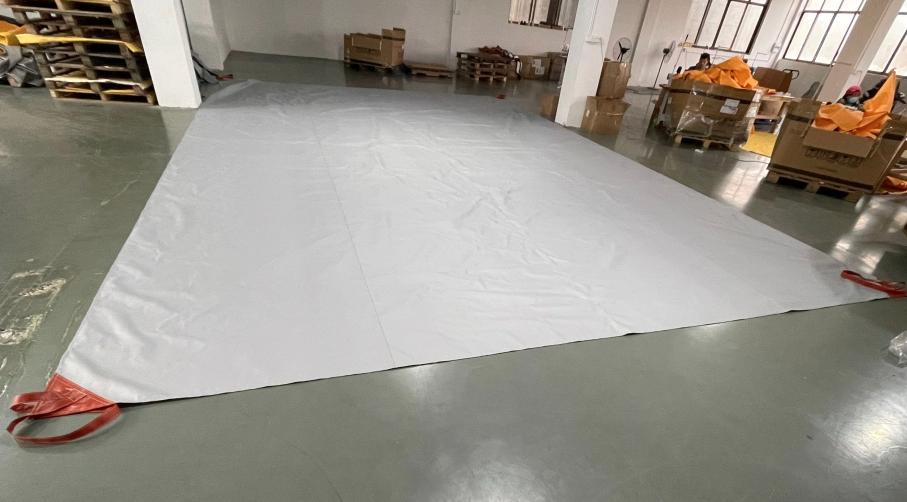
To ensure that a fire blanket provides maximum protection during emergencies, proper planning, placement, and routine practices are essential. In 2025, safety experts recommend a combination of strategic measures to enhance readiness and effectiveness.
One blanket is often not enough. Having multiple fire blankets distributed across your home, office, or vehicle ensures that a blanket is always within reach, reducing the time to respond. For example, placing one in each kitchen, one in the garage, and one in your car provides comprehensive coverage. In commercial settings, restaurants, food trucks, and workshops benefit from keeping several blankets strategically positioned to cover all cooking stations, storage areas, and work zones. Multiple units not only improve safety but also allow simultaneous response if more than one small fire occurs.
Although fiberglass fire resistant blankets require no professional servicing or annual certification like fire extinguishers, periodic inspection is still crucial. Check the blanket’s pouch and fabric for signs of wear, tear, moisture, or other damage that could compromise performance. Ensure the pull tabs or quick-release mechanisms remain functional and unobstructed. A simple visual inspection every few months guarantees that the blanket will perform reliably when needed.
Even though fire blankets are intuitive to use, practicing deployment dramatically improves response time and reduces panic. Conduct brief fire safety drills at home, in classrooms, or in workplace environments. Practice unfolding the blanket, approaching a small controlled heat source (if safe), and covering the flames completely. Training ensures that everyone, including children, elderly individuals, and first-time users, can act confidently and effectively during an actual emergency. Knowledge of proper hand protection, full coverage technique, and safe positioning enhances both user safety and the blanket’s fire suppression effectiveness.
The best results come from using a fire blanket in conjunction with other fire safety measures. Pair your fiberglass fire resistant blanket with smoke detectors, carbon monoxide alarms, fire extinguishers, and a clear evacuation plan. This layered approach ensures early detection, immediate response, and safe escape. For example, while the blanket can quickly smother a kitchen grease fire, a smoke alarm alerts other occupants and triggers emergency protocols. Combining tools and strategies creates a holistic safety system that maximizes protection and minimizes risk.
High-quality fiberglass fire resistant blankets are effective against small kitchen grease fires, electrical appliance sparks, and minor fabric or paper fires. They are particularly safe for grease and electrical fires, where water or foam extinguishers could worsen the situation.
No. Effectiveness depends on material quality, size, and proper deployment. Premium fiberglass fire resistant blankets outperform polyester or cotton alternatives due to superior heat resistance, durability, and multi-layer construction.
Yes, fiberglass fire resistant blankets can often be reused for minor incidents if no significant damage or burn-through occurs. However, blankets exposed to severe flames or heat should be replaced to ensure safety.
Safety experts recommend multiple units, strategically placed in kitchens, garages, workshops, and vehicles. This ensures rapid access in different areas and provides coverage if more than one small fire occurs simultaneously.
No. Fire blankets are ideal for small, contained fires and immediate first-response situations. They should be part of a comprehensive fire safety plan that includes smoke detectors, fire extinguishers, and evacuation protocols for larger or spreading fires.
In 2025, fire blankets—especially high-quality fiberglass fire resistant blankets—remain one of the most effective tools for immediate fire suppression in homes, workplaces, and vehicles. Laboratory testing, real-world performance, and consumer feedback consistently show that these blankets provide rapid response, heat protection, and safe handling for small, contained fires.
To maximize safety, it’s essential to choose premium materials, deploy the blanket correctly, maintain multiple units across high-risk areas, and integrate usage into a comprehensive fire safety plan.
For those seeking reliable, high-performance fire protection solutions, Nanjing Jiayi Fire Technology Co., Ltd. offers a wide range of certified fiberglass fire resistant blankets designed to meet the latest safety standards. Their products combine durability, ease of use, and superior heat resistance, making them an ideal choice for homes, commercial kitchens, workshops, and vehicles. Trust Nanjing Jiayi Fire Technology to help you stay prepared and protect lives in any fire emergency.
Welcome to become one of our distributors worldwide. If you have interest please contact us.


