
Views: 0 Author: Site Editor Publish Time: 2025-10-20 Origin: Site
Kitchen fires are among the most common household emergencies. Nearly two-thirds of home fires start in the kitchen, often caused by grease, oil, or electrical equipment. While fire extinguishers are useful, sometimes a simpler, cleaner, and safer solution is needed. This is where a fire blanket comes in. In this guide, we’ll cover everything you need to know about how to use a fire blanket in a kitchen emergency.
A fire blanket is a safety device made from fire-resistant or fire-retardant materials. A fiberglass fire blanket, for example, is made of woven fiberglass fibers that can withstand extremely high temperatures, making it ideal for kitchen fires. Fire blankets work by smothering small fires and cutting off the oxygen supply, preventing flames from spreading.
Compared to fire extinguishers, fire blankets are lightweight, easy to use, and leave no mess. They can also protect individuals by wrapping around a person whose clothes are on fire or shielding someone during an emergency escape.
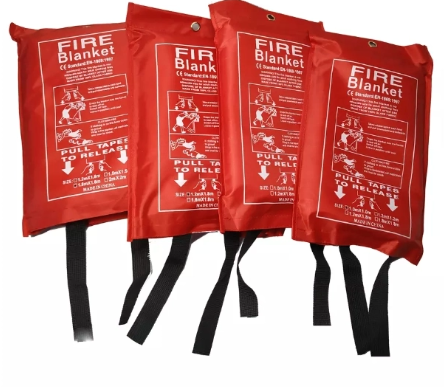
A fire blanket is a must-have kitchen safety tool. Here’s why:
Grease and oil fires: Water can make these fires worse. A fiberglass fire blanket safely smothers flames.
Clothing fires: Wrap a person in a fire blanket to extinguish flames.
Small electrical fires: Turn off the power, then use a fire blanket to smother flames safely.
Emergency escape: Protect yourself or others while moving through a fire-affected area.
Fire blankets are simpler to operate than fire extinguishers and are particularly effective for kitchen fire emergencies.
Knowing how to use a fire blanket safely is crucial for protecting yourself, your family, and your property during a kitchen fire. By understanding the proper steps, you can act quickly and confidently, reducing the risk of injuries or the fire spreading.
Before using a fire blanket, it’s important to quickly assess the size and severity of the fire. Fire blankets are designed for small fires, such as a burning pan, grease fire, or minor electrical fire. If the flames are too large, it’s safer to evacuate immediately and call the fire brigade. If the fire is manageable, first turn off the stove, oven, or any heat source if it can be done safely. This helps prevent the fire from getting larger while you prepare to use the blanket. Next, protect your hands by rolling or folding the top edge of the fire blanket around your hands. This layer acts as a barrier against heat, sparks, or flames while you position the blanket over the fire.
To deploy the fire blanket, pull it sharply from its storage container using the tabs or straps. Hold the blanket in front of your body as a shield, keeping your hands safely wrapped inside the protective edge. Slowly and carefully place the blanket over the fire—do not throw it, as this can spread flames or cause burns. Make sure the blanket completely covers the fire to effectively smother it and cut off its oxygen supply. For small kitchen fires, a fiberglass fire blanket is ideal, as it can withstand high temperatures and provides reliable protection against grease or oil flames. While covering the fire, avoid leaning directly over it, and ensure your face and body are shielded behind the blanket.
Once the fire is fully covered, leave the fire blanket in place for at least 15–30 minutes to allow the heat to dissipate and ensure that all flames are extinguished. Do not attempt to lift the blanket prematurely, as hot spots underneath can cause burns. After the blanket has cooled, check whether it is single-use or reusable. Single-use blankets should be disposed of safely, following local regulations or manufacturer instructions, while reusable blankets should be inspected for damage before being stored for future emergencies. Regularly maintaining and checking your fire blanket ensures it will function properly when you need it most.
Knowing how to use a fire blanket for different types of kitchen fires can make the difference between a minor incident and a dangerous emergency. Each type of fire requires slightly different handling, and using the right techniques ensures maximum safety and effectiveness.
Grease and oil fires are among the most common kitchen emergencies, and they can spread quickly if handled incorrectly. Never use water to extinguish these fires, as it can cause dangerous flare-ups. A fiberglass fire blanket is ideal for this situation because it is heat-resistant and non-flammable. To use it, carefully pull the blanket from its container and place it gently over the burning pan or fryer. Avoid throwing or shaking the blanket, as this could spread the fire. Leave the blanket in place until the flames are completely extinguished and the area has cooled down. This method effectively smothers the fire by cutting off its oxygen supply without causing additional hazards.
Fires involving electrical appliances require extra caution. Before attempting to use a fire blanket, ensure that the power to the affected device or outlet is turned off to prevent the risk of electrocution. A fiberglass fire blanket provides a safe barrier between you and the flames, allowing you to cover the fire without direct contact. Gently place the blanket over the fire and leave it in place until it is completely extinguished. Using a fire blanket on electrical fires is a cleaner and safer alternative to water or powder extinguishers in confined spaces.
If someone’s clothing catches fire, acting quickly can save lives. Immediately wrap the person in a fire blanket, making sure your hands are protected by folding or rolling the top edge. Once wrapped, instruct the person to STOP, DROP, and ROLL to help smother the flames. It’s important to keep the blanket covering the fire until all flames are out, then seek medical attention immediately, as even small burns can be serious. Teaching everyone in your household how to respond to clothing fires can prevent panic and improve outcomes.
A fire blanket is also an effective tool for safe evacuation during a kitchen or home fire. Wrap yourself, a child, or another person in a fire blanket to shield from flames, radiant heat, and falling debris while moving through a fire-affected area. Ensure the blanket fully covers your body and hold it close as you move to a safe exit. This method gives you extra protection and can significantly reduce the risk of burns or smoke inhalation.
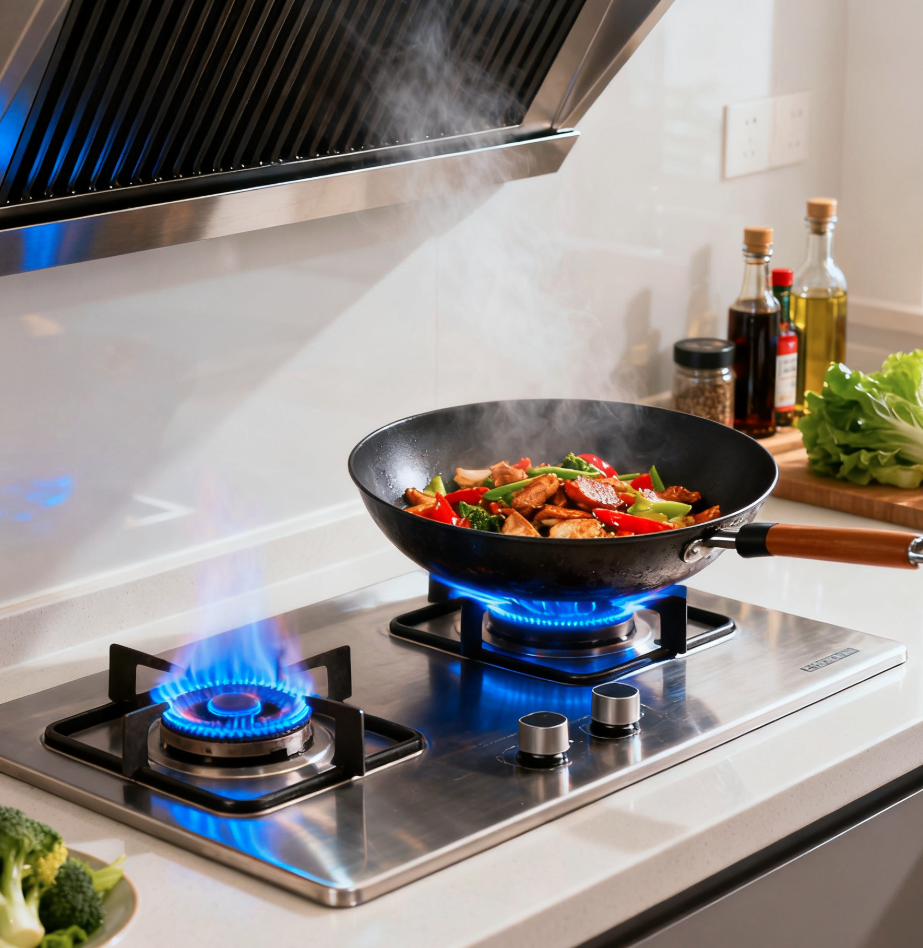
To make the most of your fire blanket and ensure it is effective when you need it, follow these key safety tips:
Strategic Storage: Store your fire blanket near the kitchen exit, rather than right next to the stove, so you can access it quickly even if a fire blocks your cooking area.
Regular Inspection: Check your blanket periodically for damage, wear, or tampering. A compromised blanket may not function properly in an emergency.
Replace After Use: Single-use fiberglass fire blankets should be replaced immediately after deployment. Even reusable blankets should be inspected and maintained according to the manufacturer’s instructions.
Family Education: Teach all family members, including children old enough to understand, how to deploy a fire blanket safely. Familiarity reduces panic and ensures quicker response times.
Follow Instructions: Always follow the manufacturer’s guidance for cleaning, storage, and disposal. Proper care prolongs the life of the blanket and maintains its effectiveness.
By keeping these tips in mind and practicing proper fire blanket use, you can confidently respond to kitchen emergencies and protect your family, property, and pets.
| Solution | Pros | Cons |
|---|---|---|
| Fire Blanket / Fiberglass Fire Blanket | Easy to use, mess-free, protects hands/body | Effective only for small fires |
| Fire Extinguisher | Can tackle larger fires | Messy, requires training, heavier |
| Wet Towel | Can smother small flames | Not effective on grease fires, can burn |
| Lid | Reduces oxygen supply | Limited to container fires, risk of explosion |
For kitchen emergencies, a fire blanket, particularly a fiberglass fire blanket, is often the safest and most effective solution.
Yes, but make sure the power is turned off first. A fiberglass fire blanket provides insulation, allowing you to smother the fire safely without risk of electric shock.
Wrap the person in a fire blanket, keeping your hands protected. Instruct them to STOP, DROP, and ROLL until the flames are out. Seek medical attention immediately for any burns.
Store it near the kitchen exit, not next to the stove. This ensures you can access it safely even if a fire blocks your cooking area. Make sure it’s mounted at an easily reachable height for adults.
Typically, fire blankets have a lifespan of 5–7 years. Over time, exposure to dust, moisture, or damage may reduce effectiveness. Always replace the blanket if it shows signs of wear or after it has been used in a fire.
Not entirely. A fire blanket is ideal for small, contained fires, particularly in the kitchen, and for protecting people. Fire extinguishers are better suited for larger fires. Both should be part of your fire safety plan.
Kitchen fires can happen in an instant, but knowing how to use a fire blanket, especially a fiberglass fire blanket, can make all the difference in protecting your family, property, and yourself. From grease and oil fires to clothing fires and emergency escapes, a properly used fire blanket is a quick, safe, and effective solution for small kitchen emergencies.
At Nanjing Jiayi Fire Technology Co., Ltd., we specialize in high-quality fire safety solutions, including premium fiberglass fire blankets tested to meet international safety standards. Our products are designed to be reliable, easy to use, and essential for every home and commercial kitchen. Invest in safety today, and ensure you are prepared to act swiftly in any fire emergency.
Welcome to become one of our distributors worldwide. If you have interest please contact us.


