
Views: 0 Author: Site Editor Publish Time: 2025-12-31 Origin: Site
Are your fire hose reels ready for an emergency? A well-maintained fire hose reel is vital for safety. Neglecting these systems can lead to serious risks during a fire.
In this article, we’ll explore how to inspect and maintain fire hose reels effectively. You’ll learn the importance of regular checks, key maintenance procedures, and how to ensure your equipment is always ready for use.
Fire hose reels are composed of several key components that ensure their effectiveness in emergencies. Understanding these parts helps in proper maintenance and operation.
Key Components:
● Hose Material and Types: The hoses are typically made from durable materials like PVC or rubber. PVC hoses are lightweight and resistant to chemicals, while rubber hoses offer flexibility and durability, making them suitable for various environments.
● Reel Drum and Cabinet Materials: The reel drum is often constructed from corrosion-resistant materials such as carbon steel or galvanized steel. The cabinet, which houses the reel, is usually made from high-quality mild steel with an epoxy-polyester powder coating, ensuring longevity and resistance to environmental factors.
● Nozzle Options: Nozzles come in various designs, including adjustable and fixed types. The choice of nozzle can significantly affect water flow and pressure, which are crucial during firefighting.
Component | Material Options | Significance |
Hose | PVC, Rubber | Flexibility, durability |
Reel Drum | Carbon Steel, Galvanized Steel | Corrosion resistance |
Cabinet | Mild Steel | Protection against elements |
Nozzle | Brass, Plastic, Chrome | Water flow control |
There are several types of fire hose reels available, each designed for specific applications. Understanding these variations can help you select the right reel for your needs.
Types of Fire Hose Reels:
● Swing Type vs. Fixed Type: Swing type reels allow for easier access and deployment, making them ideal for high-traffic areas. Fixed type reels are more stable and suitable for permanent installations.
● Regional Variations: Different regions have specific standards for fire hose reels. For example, the Saudi-style swing fire hose reel is tailored for local requirements, while Australian models comply with strict safety regulations.
Choosing the Right Fire Hose Reel: When selecting a fire hose reel, consider factors such as installation location, required hose length, and local regulations. For instance, Jiayi Fire Technology offers models like the DN19 30M Saudi-Style Swing Fire Hose Reel, which is specifically designed for the Saudi market. This model features a durable cabinet and a reliable hose, ensuring effective firefighting capabilities.
Model Name | Type | Length | Special Features |
DN19 30M Saudi-Style Swing Fire Hose Reel | Swing Type | 30M | Cabinet included, tailored for Saudi |
South African Style DN19 Flexible Fire Hose Reel | Swing Type | 30M | Wall-mounted, flexible design |
Australian Style 19mm x 20m Swing Type Reel | Swing Type | 20M | Compliant with Australian standards |
By understanding the components and types of fire hose reels, you can make informed decisions that enhance fire safety in your environment. Selecting the right model not only ensures compliance with regulations but also guarantees effective firefighting readiness.
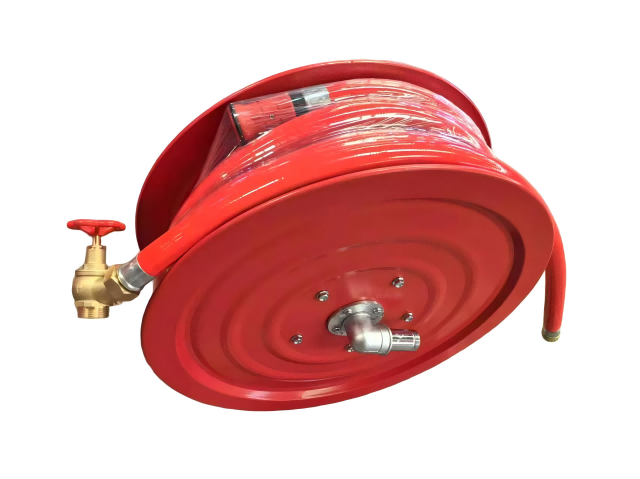
Regular inspections are essential to ensure fire hose reels function correctly during emergencies. Establishing a schedule for inspections can help maintain safety and compliance.
● Monthly Visual Inspections: These quick checks should be done every month. Look for any visible signs of wear or damage. It’s crucial to ensure that the hose is properly wound and that the reel is accessible. A simple visual inspection can catch issues before they become serious problems.
● Annual Comprehensive Inspections: Once a year, conduct a thorough inspection. This includes checking all components in detail. Inspect the hose for cracks, the reel for rust, and ensure all parts are functioning well. This check is vital for long-term reliability.
● Service Testing Timelines: Every five years, perform a service test. This involves more rigorous checks, including hydrostatic pressure testing. It helps verify the integrity of the hose and ensures it meets safety standards.
During visual inspections, focus on specific areas to ensure everything is in good condition. Here’s a handy checklist to guide you:
Inspection Area | What to Look For |
Hose Condition | Signs of damage, such as cracks, leaks, or bulges. |
Reel and Cabinet | Check for corrosion, cracks, or any physical damage. |
Accessibility | Ensure the reel is unobstructed and easy to access. |
Signage | Verify that all labels and instructions are clear and visible. |
When inspecting the hose, it’s essential to ensure that it is not kinked or tangled. A well-maintained hose allows for quick deployment in emergencies. Additionally, check that the cabinet is securely closed and free from dust and debris.
After visual inspections, operational checks are crucial to confirm that the fire hose reel is ready for use. Here’s how to perform these checks effectively:
1. Testing Water Flow and Pressure: Open the valve to test the water flow. Ensure that it meets the required pressure levels, typically around 1.2 MPa. A pressure gauge can help you verify this.
2. Ensuring Nozzle Functionality: Check the nozzle for proper operation. Make sure it can adjust the spray pattern and that there are no leaks. A functional nozzle is essential for effective firefighting.
3. Verifying Reel Drum Movement: Ensure the reel drum rotates smoothly. It should unwind easily without any resistance. If it’s stiff or difficult to turn, it may need lubrication.
Operational Check | Action Required |
Water Flow Test | Open valve, measure flow rate, and check for leaks. |
Nozzle Check | Test nozzle adjustments and inspect for leaks. |
Drum Rotation | Ensure smooth operation; lubricate if necessary. |
By following these inspection guidelines, you can ensure your fire hose reel is always ready to perform when needed. Regular checks not only enhance safety but also extend the life of your equipment.
Maintaining a fire hose reel system is crucial for its reliability and effectiveness. Here’s a step-by-step guide to ensure your fire hose reel is always in top condition.
1. Preliminary Safety Preparations: Before starting any maintenance, put on protective gear. This includes gloves and safety goggles to protect against potential hazards. Also, isolate the water supply to prevent accidental discharge during maintenance.
2. Detailed Inspection: Conduct a thorough inspection of the hose, reel, and all connections. Look for signs of wear, such as cracks or fraying on the hose. Check the reel for rust or damage, ensuring that all components are securely attached and functioning well.
3. Cleaning and Drying Procedures: After each use, it’s important to clean the hose and reel. Rinse the hose with clean water to remove dirt and debris. Allow it to dry completely before rewinding it onto the reel. This prevents mold and mildew, which can weaken the material over time.
Maintenance Step | Action Required |
Safety Gear | Wear gloves and goggles for protection. |
Inspection | Check for wear and damage on hose and reel. |
Cleaning | Rinse hose and let it dry completely before storage. |
Proper lubrication is vital for the smooth operation of fire hose reels. Regular maintenance helps prevent wear and tear on moving parts.
● How to Properly Lubricate: Use a high-quality lubricant designed for mechanical components. Apply it to the reel drum and any moving parts, ensuring that it penetrates well. Avoid over-lubricating, as excess lubricant can attract dirt.
● Recommended Lubricants: Look for lubricants that are water-resistant and suitable for outdoor use. Products like silicone spray or lithium grease are excellent choices. They provide long-lasting protection and reduce friction.
● Importance of Regular Lubrication: Regular lubrication minimizes wear on components, ensuring smooth operation. It also extends the lifespan of the fire hose reel, making it a cost-effective maintenance practice.
Lubrication Component | Recommended Lubricant | Application Method |
Reel Drum | Lithium Grease | Apply with a brush or spray can. |
Moving Parts | Silicone Spray | Lightly spray and wipe off excess. |
Verifying the flow rate of your fire hose reel is essential for effective fire suppression. This ensures that the system meets safety standards.
● How to Check Flow Rate: Use a flow meter or a container to measure the water output. Open the nozzle fully and time how long it takes to fill a known volume, such as a 20-liter bucket. This method provides an accurate measurement of the flow rate.
● Compliance with Standards: The flow rate should be at least 24 liters per minute (L/min). This level is crucial for effective firefighting, as it ensures sufficient water pressure to combat fires.
● Why Flow Rate Matters: Maintaining a flow rate of ≥24 L/min ensures that the fire hose reel can deliver enough water to extinguish fires effectively. Insufficient flow rates can compromise safety during emergencies.
Flow Rate Test | Action Required |
Measure Water Output | Use a flow meter or bucket to check the flow rate. |
Ensure Compliance | Confirm that flow rate is ≥24 L/min for effective firefighting. |
By following these maintenance procedures, you can ensure your fire hose reel is always ready for action. Regular inspections, proper lubrication, and flow rate verification are key to maintaining safety and efficiency.
Proper storage of fire hose reels is essential to ensure their longevity and reliability. By following a few best practices, you can protect your equipment from damage and wear.
● Ideal Storage Conditions: Store fire hose reels in a cool, dry place. The ideal temperature range is between 10°C and 30°C (50°F to 86°F). High humidity can lead to mold growth and deterioration of the hose material, so aim for a humidity level below 70%.
● Keeping the Reel Covered: Protect the fire hose reel from environmental elements. Use a cover or store it in a cabinet to prevent exposure to dust, moisture, and UV rays. This helps maintain the integrity of both the hose and the reel.
Storage Aspect | Recommended Practice |
Temperature | Keep between 10°C and 30°C (50°F to 86°F). |
Humidity | Maintain below 70% to prevent mold and deterioration. |
Protection | Use covers and store in a cabinet when not in use. |
When using fire hose reels, it’s important to follow specific precautions to ensure safety and functionality. Proper usage can prevent damage and enhance performance.
● Connecting Hoses Properly: Always connect hoses securely to the reel and the water supply. Make sure all connections are tight to avoid leaks during operation. Loose connections can lead to pressure loss and ineffective firefighting.
● Avoiding Kinks and Over-Bending: When deploying the hose, ensure it is laid out straight without kinks or sharp bends. Kinks can restrict water flow and damage the hose. If the hose is too tightly coiled, it may not deploy correctly, leading to potential hazards during an emergency.
Usage Tip | Action Required |
Secure Connections | Ensure all hose connections are tight and leak-free. |
Check for Kinks | Lay out the hose straight to prevent flow restrictions. |
Avoid Over-Bending | Deploy the hose gently to avoid damaging it. |
By adhering to these storage and usage precautions, you can maximize the effectiveness and lifespan of your fire hose reel. Proper care ensures that your equipment is always ready when needed.
Recognizing when to replace a fire hose reel is crucial for maintaining safety and effectiveness. Several signs indicate that it may be time for a replacement.
● Age-Related Factors: Fire hose reels generally have a recommended lifespan of about eight years. Over time, materials can degrade due to exposure to environmental factors, leading to reduced performance. Keeping track of the installation date ensures timely replacements.
● Performance Issues and Visible Damage: If you notice any performance issues, such as decreased water flow or difficulty in operation, it may indicate that the reel is failing. Additionally, visible damage such as cracks, rust, or significant wear on the hose or reel components should prompt an immediate replacement.
Replacement Indicator | Description |
Age | Replace every 8 years to ensure reliability. |
Performance Issues | Decreased water flow or operational difficulties. |
Visible Damage | Cracks, rust, or wear on the hose and reel. |
Ensuring your fire hose reel meets regulatory requirements is essential for safety and legal compliance. Here’s how to ensure your equipment adheres to necessary standards.
● Overview of Relevant Certifications: Familiarize yourself with certifications such as CE, ISO, EN3, and UL. These certifications indicate that the fire hose reel meets specific safety and performance standards. Always check for these labels when purchasing new equipment.
● Importance of Compliance: Compliance is not just a legal obligation; it also plays a vital role in safety and insurance. Fire hose reels that meet regulatory standards are more likely to function effectively during emergencies, which can significantly impact safety outcomes. Additionally, insurance policies often require compliance with safety standards to ensure coverage during incidents.
Certification | Description |
CE | Indicates conformity with European safety standards. |
ISO | International standards for quality and safety. |
EN3 | European standard for fire extinguishing equipment. |
UL | Underwriters Laboratories certification for safety. |
By staying vigilant about replacement needs and ensuring compliance with safety standards, you can maintain a reliable fire hose reel system that is ready for any emergency situation. Regular assessments will help you keep your equipment in optimal condition.
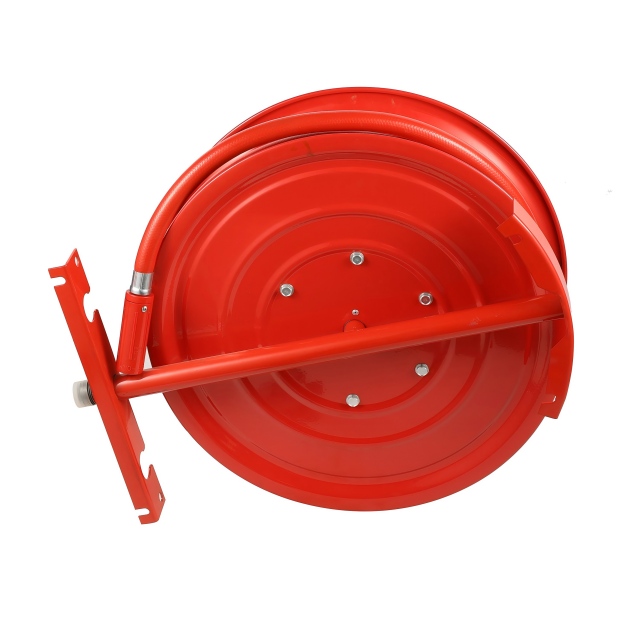
Jiayi Fire Technology is dedicated to providing high-quality fire hose reels that meet the diverse needs of customers around the globe. Their products stand out in several key areas.
● Core Advantages: Jiayi Fire Technology offers a unique combination of quality, competitive pricing, and excellent service. Each fire hose reel is designed for durability and reliability, ensuring that it performs effectively in emergency situations.
● Tailored Models: The company provides various models tailored to meet different regional requirements. Whether for industrial, commercial, or residential use, Jiayi has a solution that fits specific needs, ensuring compliance with local regulations and standards.
Product Advantage | Description |
Quality Products | Durable materials and reliable performance. |
Competitive Prices | Affordable options without compromising quality. |
Excellent Service | Responsive support and guidance throughout the process. |
Regional Customization | Models designed to meet specific local needs. |
Jiayi Fire Technology understands that one size does not fit all. They offer extensive customization options to ensure that their products align perfectly with customer needs.
● OEM and ODM Services: Jiayi provides Original Equipment Manufacturer (OEM) and Original Design Manufacturer (ODM) services. This means they can create tailored solutions based on client specifications, allowing businesses to brand their fire hose reels according to their unique identity.
● Installation and Commissioning Support: For overseas projects, Jiayi offers comprehensive support for installation and commissioning. Their experienced team can assist with the entire process, ensuring that the fire hose reel systems are set up correctly and function as intended.
Customization Option | Details |
OEM Services | Tailored production based on client designs. |
ODM Services | Custom design solutions for unique branding. |
Installation Support | Expert assistance for overseas project setups. |
Jiayi Fire Technology’s commitment to quality and customer satisfaction is evident in their product offerings and support services. By focusing on customization and comprehensive assistance, they ensure that clients receive the best possible fire hose reel solutions.
Regular inspection and maintenance of fire hose reels are crucial for safety. By following the outlined procedures, you can ensure reliability in emergencies.
Establishing a maintenance schedule is essential to keep your equipment in top condition.
For professional installation and servicing needs, contact Jiayi Fire Technology. They are ready to assist you with high-quality solutions.
Welcome to become one of our distributors worldwide. If you have interest please contact us.


