
Views: 0 Author: Site Editor Publish Time: 2025-12-28 Origin: Site
You help keep your building safe by doing fire hose reel inspections. Following these routines is important for safety. Meeting fire hose reel testing rules helps you follow nfpa standards. It also keeps your team ready for emergencies. Using a trusted and certified product like Jiayi Fire Hose helps you feel calm. If you skip regular checks, it can cause big problems. Using checklists and schedules helps make sure you do not forget anything.
You have to follow special rules when you use a fire hose reel. The National Fire Protection Association (NFPA) makes these rules in the United States. These rules help you test fire hose reels and keep everyone safe. NFPA 14 tells you how to put in standpipe and hose systems. It talks about different system classes like Class I, II, and III. Section 4.6.3 says the Authority Having Jurisdiction (AHJ) must approve every fire hose reel. Section 4.6.5 says each reel needs clear labels and instructions. These things help you use the fire hose reel fast in an emergency.
Here is a table that lists the main international standards for fire hose reels:
Standard | Description |
|---|---|
NFPA | Lists the lowest safety, performance, and testing rules for fire hose reels in the United States. |
ISO | Sets worldwide rules for safety, performance, and the environment for hose reels. |
CE | Shows that products, like fire hose reels, meet European safety rules. |
You must also look at local rules. Cities and states can have extra fire safety rules. These rules can change how you check and fix fire hose reels. You should always read your local fire code. This helps you follow the law and not get fined. Local officials might want to see proof that you follow the rules. Using a checklist helps you show you do everything right.
Manufacturers give you important steps for using and taking care of your fire hose reel. Jiayi Fire Hose meets both CE and ISO rules. This means it passes tough safety tests. You should follow the manufacturer's steps for checking, cleaning, and storing your fire hose reel. Doing these things helps you pass checks and keeps your equipment ready. Taking care of your fire hose reel also helps it last longer.
Tip: Always write down when you check and fix your fire hose reel. This helps you show you follow the rules if someone checks.
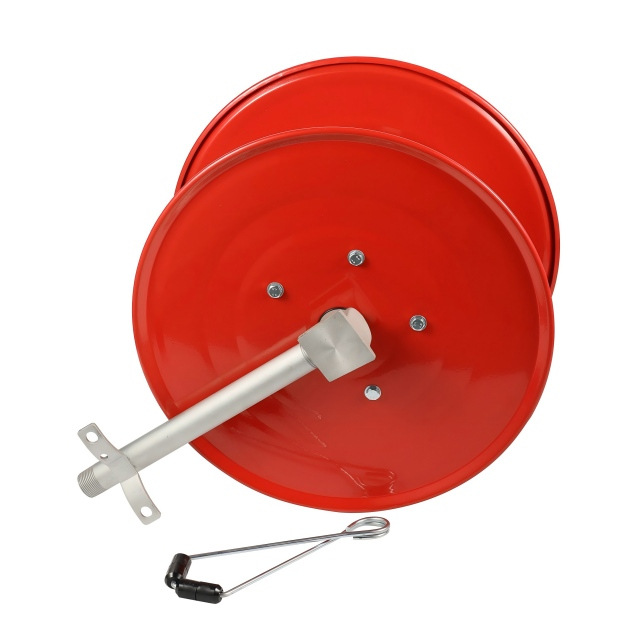
You need to check your fire hose reel on a schedule. Most rules and nfpa standards say to look at it every month. This helps you find problems before they get worse. You also have to do a service test once a year. This test checks if the fire hose reel works in an emergency. Some places might want you to check more often. Always read your local rules so you follow the law.
Keep a calendar for your inspections. This helps you remember to check everything. Regular checks and fixing problems stop sudden breakdowns. Jiayi Fire Hose is light and has clear labels. These things make your inspection faster and easier.
A checklist helps you remember what to look at. Use this table to help with your visual checks:
Inspection Category | Items to Check |
|---|---|
Accessibility & Signage | Hose reel is easy to reach; Fire hose reel sign is easy to see; Instructions are easy to read and not damaged; There is 1.5m of clear space around the hose reel; Tag or number is easy to read |
Cabinet/Housing Inspection | Cabinet is in good shape; Door opens all the way; Glass is not broken; Cabinet is clean inside and outside; Cabinet is attached well to the wall |
Hose Reel Assembly | Reel turns easily; Swing arm works right; Reel has no rust or damage; Reel is attached well; Brake works right |
Hose Condition | Hose is put away right; No mold, cuts, or scrapes; Hose is dry and does not leak; Hose jacket is not damaged; Service date is up to date |
Nozzle & Couplings | Nozzle is there and tight; Nozzle is clean; Nozzle adjuster works; All couplings are tight; Gaskets are in good shape |
Water Supply & Valve | Valve is open; No leaks from valve; Valve handle moves easily; Water pressure is normal; Inlet pipe is not rusty |
Functional Test (Annual) | Hose unwinds all the way; Water flows well; Nozzle works in all ways; Water pressure is good; Hose winds back up right |
Pressure Testing (5-Year) | Test pressure is used; Hose holds pressure with no leaks; No leaks at couplings; Test pressure is written down; Pressure test tag is attached |
Associated Equipment | Hydrant wrench is there; Extra nozzle is there; Hose repair kit is there; Adapter fittings are tight; Hose storage is clean |
Use this checklist every time you check your fire hose. Jiayi Fire Hose has tags and easy instructions. These help you finish your checks faster and with less trouble.
Tip: Keep your checklist in a folder or on a device. This helps you track your checks and show proof if someone asks.
You need to test the fire hose reel to make sure it works. For the functional test, open and close the valve all the way. Make sure the valve moves without sticking. If it sticks, you need to oil, fix, or change it. Do this test at least once a year. Some systems need testing every three years. Always follow nfpa standards and your local rules.
Pressure testing checks if the hose can take high water pressure. Do this test every five years. Only trained people should do this test. They use test pressure and look for leaks or weak spots. If the hose passes, put on a test tag. Jiayi Fire Hose is made for high pressure. This helps you meet fire hose reel testing rules.
Always write down what happens in each valve check. This helps you prove you follow the rules and stay safe.
Note: Never skip these tests. They keep your building safe and help you meet all rules.
You should clean your fire hose reel often. This keeps it ready for emergencies. Jiayi Fire Hose is light and strong, so cleaning is easy. Always use the hose the right way. Do not drag it on rough ground. Use a hose roller if you need to move it. After using the hose, brush off dirt. If there is sticky dirt or the hose touches chemicals, wash it with low-pressure water.
NFPA standards say you must clean every hose after use. If brushing does not get all the dirt off, wash the hose. Always dry the hose before putting it away. Do not leave it in the sun.
Here are steps for cleaning and care:
Use the hose gently and keep it away from sharp things.
Clean the hose after each use.
Dry the hose with a cloth and keep it out of the sun.
Store the hose in a place with fresh air after it is dry.
Cleaning your hose often helps you follow fire hose maintenance rules. It also keeps your hose working well.
Check your fire hose valve and hose for damage every time you do maintenance. Look for cuts, leaks, or broken couplings. If you find a problem, fix it right away. Jiayi Fire Hose has tags and clear instructions to help you find problems fast. Replace any hose that is badly damaged or does not pass tests.
Check the fire hose valve to make sure it works smoothly. If the valve is hard to turn or leaks, fix or replace it. Taking care of hose valves is important for safety. Always follow the manufacturer's and local rules for maintenance. Keep extra parts like gaskets and couplings ready for quick fixes.
Aspect | Details |
|---|---|
NFPA Standards | Follow NFPA standards for installation and maintenance. |
Equipment Selection | Pick hoses and valves that fit your building’s needs. |
Accessibility | Make sure all equipment is easy to reach and clearly marked. |
Inspection Frequency | Check hoses and valves every month to meet hose valve itm rules. |
Good maintenance means storing your fire hose reel and hoses the right way. Jiayi Fire Hose is easy to roll up and store because it is flexible. Try to keep hoses inside to protect them from bad weather. Do not make sharp bends or kinks. Make big loops instead. Keep hoses off the ground to stop damage and dirt.
Store hoses in a clean, airy place away from sunlight.
Drain hoses all the way before storing to stop mold.
Cover hose ends with caps or plugs to keep out dirt.
Roll threads inside the hose or cover them.
Give hoses space to breathe. Do not use closed containers.
Tip: Clean, check, drain, and roll hoses before storing. Pick a good spot and check stored hoses often.
Following these steps helps you follow the rules and makes your fire hose reel last longer. Regular checks and care keep your hose ready for emergencies. When you do these things, you can trust your fire safety plan.
You must keep clear inspection logs for each fire hose reel. These logs help you know when checks happened and who did them. Write down what was found during each check. Record every monthly check, quarterly inspection, and yearly service test. Only trained people should do these checks. Keep logs for at least one year. Keep yearly inspection records as long as you have the system. The table below shows what you need for inspection logs:
Requirement | Details |
|---|---|
Inspection Frequency | Monthly visual inspections, quarterly inspections, and annual service testing. |
Documentation | Records must be maintained for at least 1 year; annual inspections kept for the system's life. |
Qualified Personnel | Inspections should be conducted by trained individuals knowledgeable about fire protection systems. |
Tip: Always write the date, inspector’s name, and any problems. This helps you prove fire hose compliance during audits.
Keep your maintenance records neat so you can find them fast. Good records show you follow the rules and keep things safe. Use different logs for fire drills, equipment care, and inspection reports. The table below gives you a simple way to sort your records:
Record Type | Description |
|---|---|
Fire Drill Logs | Document the timing and results of fire drills to ensure employee preparedness. |
Equipment Maintenance Logs | Track servicing, repairs, and inspections of fire protection systems like alarms and extinguishers. |
Inspection Reports | Keep up-to-date reports from internal or third-party inspections for easy access during audits. |
You can use folders or digital tools to store these records. Update them after every check or repair.
You must report your fire hose reel checks and repairs to meet nfpa standards. Good reports mean you look for damage, wear, or leaks. You also test the hose to see if it holds water pressure. Write down all results and repairs you make. Train your team so they know how to check and report the right way. This helps you get ready for emergencies and pass fire hose compliance checks.
Look at the hose jacket for damage or dirt.
Check couplings for rust or loose parts.
Test the hose with water pressure and write down results.
Keep full records of every check and test.
Make sure your team knows the rules and gets trained.
Note: Good records help you during audits and keep your fire hose reel system working well.
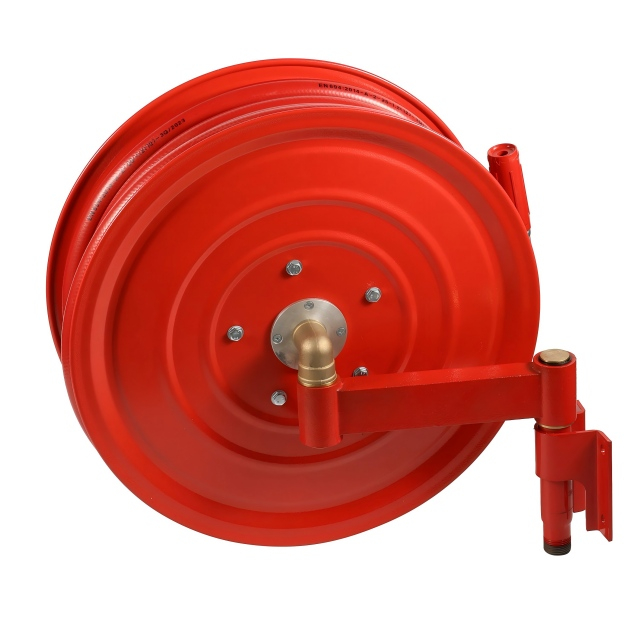
You might see different problems when you check the hose. The most common ones are cracked hoses, broken nozzles, and rust on the reel. These problems can make the hose leak or not work when you need it. If you do not do regular maintenance, dust and rust can build up. This can make the water pressure drop and the hose not work well. If you forget to dry or check the hose after using it, it can break later.
To fix these problems, you should:
Look at the hose often for cracks, leaks, or worn spots.
Take care of the hose, especially if it has plastic nozzles, so it does not get worse.
Use covers or store the hose the right way to help it last longer.
Tip: Always dry the hose after you use it and check for leaks before you put it away.
If the reel does not work, you might not get the hose out fast in an emergency. Using the reel for things like washing cars can break it. Not winding the hose right or skipping checks can also cause trouble. Over time, the parts can wear out, and weather can make the hose hard and easy to break. Sometimes, pests chew on the rubber or block the reel. If the reel is put in wrong, it can hurt the connections and make leaks. Ball valves and joints can also wear out and leak.
To stop reel problems:
Only use the reel in emergencies.
Wind the hose back carefully every time.
Check for pests and worn parts on a schedule.
Get skilled people to put in and fix the reel.
You need to keep the fire hose reel easy to get to all the time. Sometimes, people put boxes or furniture in front of it. In an emergency, you must reach the hose reel fast. Never lock or hide the hose reel. Checking often helps you find these problems early.
To make it easier to reach:
Put the hose reel where everyone can see it.
Teach everyone how to use the hose reel.
Keep the area clear and check it a lot.
Note: Doing these things helps you stay safe and ready for any emergency.
You help keep your building safe by following fire hose reel rules. Check your fire safety equipment often. Train your team so they know what to do. Practice fire drills to follow local fire safety laws. Use certified products to show you meet the rules. The table below explains how fire safety standards help you:
Certification Standard | Importance |
|---|---|
EN 1947 | Proves fire resistance and strong structure |
ISO 5660 | Makes sure you follow world fire safety rules |
NFPA 14 | Gives rules for fire hose systems in the U.S. |
Doing regular maintenance saves money and keeps your system ready for emergencies.
You should inspect your fire hose reel every month. You also need to do a full service test once a year. Regular checks help you find problems early.
Look for cracks, leaks, or mold on the hose. If you see damage or the hose fails a pressure test, you should replace it right away.
You should use water and a soft brush to clean your fire hose. Avoid strong chemicals. Dry the hose before storing it to prevent mold.
Store your fire hose in a dry, ventilated area. Keep it away from sunlight and chemicals. Make sure the hose is rolled up without sharp bends.
Welcome to become one of our distributors worldwide. If you have interest please contact us.


